




Homeowner guide · Dallas–Fort Worth
How to Choose an HVAC Company in Dallas–Fort Worth
Five checks before you trust anyone with your heating and air conditioning: a Texas license you can verify, an honest repair-or-replace call, proper sizing, a detailed written price, and a track record that holds up through a Texas summer.
4.9 from 40,000+ Google reviews
Texas A/C license TACLA00132623E
24/7 across 9 DFW branches

The short answer
Check these five things before you hire
Each step is explained below, with the red flags to watch for and the A/C issues specific to North Texas homes.
1. A Texas A/C license you can verify
Check the company's TACL license with the Texas Department of Licensing and Regulation (TDLR).
2. An honest repair-or-replace call
Based on age, condition and repair cost, not a default sales pitch.
3. Proper sizing
A new system sized with a load calculation, not matched to the old unit by guesswork.
4. A detailed written price
A written, upfront price that names the brand, model and efficiency.
5. Reviews and maintenance
Years of reviews, plus a maintenance plan for long North Texas summers.
Step 1
Verify the Texas A/C license
Heating and air conditioning contractors in Texas are licensed by the Texas Department of Licensing and Regulation (TDLR). Either license class is fine for a home; what matters is that it's active and matches the company.
Find the TACL number on the website, truck or quote.
Search it in the TDLR license search.
Confirm it's active and matches the company name.
The two contractor licenses
Class A · license starts with TACLA
Covers systems of any size.
Class B · license starts with TACLB
Cooling up to 25 tons and heating up to 1.5 million BTU/hour, which covers almost every home.
Endorsement: for home heating and cooling, look for Environmental Air Conditioning (code E) or the combined endorsement (code C). Licensed contractors must also carry liability insurance: at least $100,000 per occurrence for Class B and $300,000 for Class A.

Step 2
Repair or replace?
A good HVAC company explains both options with numbers instead of pushing a new system. Ask to see the failed part, and get both prices in writing.
Leans toward repair
- System is under about 10 years old
- The repair is a small share of a new system's cost
- It uses a refrigerant that's still widely available
- First problem in years
- Steady temperatures and normal bills
Leans toward replacement
- System is 12–15+ years old, especially after hard Texas summers
- A large repair on an old system
- It uses R-22, which is no longer produced
- Repeated repairs in recent seasons
- Hot rooms, humidity problems, rising summer bills
Step 3
Seven questions to ask before you hire
- What is your TACL license number, and is it Class A or B with the environmental endorsement?
- How will you size the new system? The right answer is a load calculation (often called a Manual J), not “same size as the old one.”
- What exact equipment are you quoting? Brand, model numbers and SEER2 rating, in writing.
- Do you pull the permit and schedule the city inspection?
- What warranty comes with it, on parts, labor, and from the manufacturer?
- Who does the work? Your employees, background-checked and drug-tested?
- Can you come today if the AC stops in July, and do nights or weekends cost more?
Step 4
Compare quotes line by line
Replacement quotes vary widely because they often describe different systems. Line them up on these six points. For repairs, ask for an upfront price and whether the diagnostic fee is credited.
Equipment
Brand, model, size in tons, and SEER2 rating for the outdoor unit and the indoor coil or furnace.
Installation
New line set or reused, thermostat, pad, drain line, and haul-away of the old system.
Permit
Is the city permit and inspection included in the price?
Warranty
Parts and labor, how long each lasts, and whether the manufacturer warranty needs registering.
Financing
If you're spreading the cost out, compare the rate and the term, not just the monthly payment.
Maintenance
Spring and fall tune-ups usually cost less than one emergency repair in July.
Step 5
Read reviews the right way
- Volume and recency beat a perfect score: thousands of reviews over years tell you more than twenty five-star ones.
- Read summer reviews: July and August show how a company performs when every AC in North Texas is working hardest.
- Look for installs, not just repairs: reviews that mention comfort and bills a year later are the most useful.
- Read the negative reviews and the replies.
- Check your nearest branch: larger companies have a Google profile for each location.

Red flags
Get a second opinion if an HVAC company:
- Can't give you a TACL license number, or it doesn't show as active
- Quotes a replacement size without measuring your home
- Won't name the equipment brand and model in the quote
- Says your system is “dead” without showing you the problem
- Offers to skip the permit to save money
- Asks for full payment before the work is done
- Pressures you with a price that's “only good today”
Local know-how
North Texas A/C issues to ask about
Ask any HVAC company you're considering how it handles these. A company that works across Dallas–Fort Worth every day should have clear answers.
Long, hot cooling seasons
North Texas summers regularly pass 100°F, so systems run for months near full load. Ask how the recommended system handles peak days, not just averages.
Attic equipment and ductwork
Many DFW homes have the indoor unit and ducts in the attic, which gets far hotter than outside. Ask about duct sealing, insulation and attic ventilation.
Humidity
An oversized system cools fast but leaves the house clammy. Proper sizing matters as much for comfort as for your bill.
Spring and fall tune-ups
A spring check before the first heat wave prevents many July breakdowns. A fall check readies the heat for winter.
FAQ
Frequently asked questions
How do I check if an HVAC company is licensed in Texas?
Search its TACL license number in the TDLR license search. It should be active, match the company name, and carry the environmental air conditioning endorsement.
What's the difference between a Class A and Class B license?
Class A covers systems of any size. Class B covers cooling up to 25 tons and heating up to 1.5 million BTU per hour, which includes nearly every home. Either is fine for residential work.
How long does an air conditioner last in North Texas?
Often around 12 to 15 years, and less without regular maintenance, because of the long, hot cooling season.
Should I repair or replace my AC?
Replacement usually makes sense when the system is 12 to 15 or more years old, needs a large repair, or uses R-22 refrigerant. Ask for both options in writing.
Why does AC sizing matter?
An undersized system can't keep up on 100°F days. An oversized one cycles on and off, wastes energy and leaves the house humid. A load calculation gets it right.
What should I do if my AC stops working on a hot day?
Check the thermostat, the breaker and the air filter first. If it still won't cool, call a 24/7 HVAC company, especially if anyone in the home is vulnerable to heat.
About Milestone
An HVAC company you can check out before you call
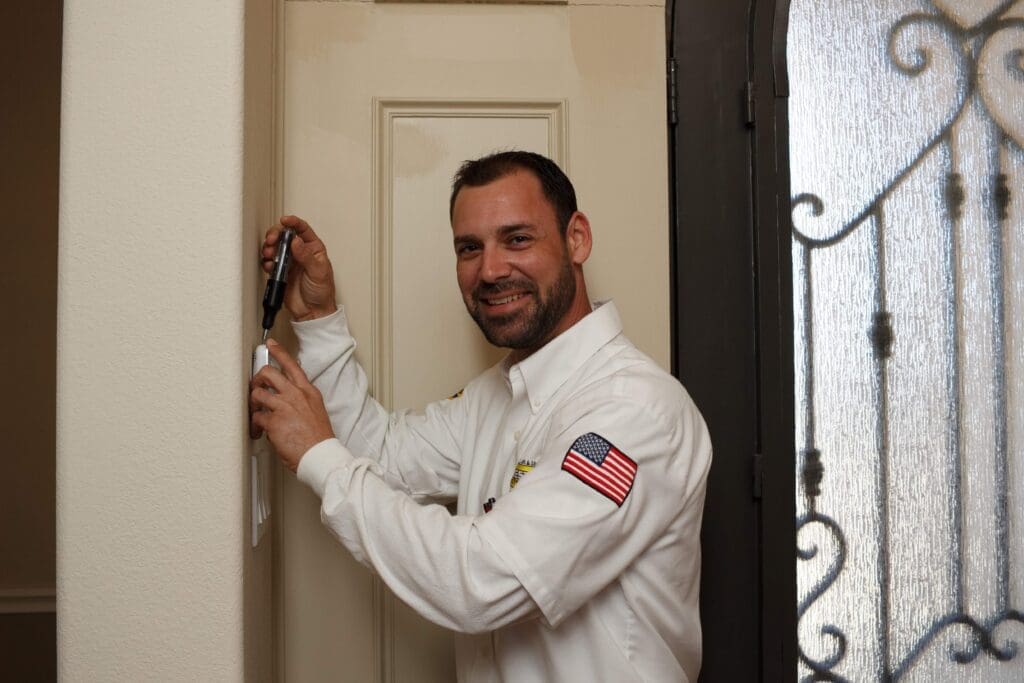
Milestone has kept Dallas–Fort Worth homes comfortable since 2004, with 9 local branches and HVAC technicians available 24/7. Every technician is licensed, background-checked and drug-tested. We give upfront pricing before work begins, back our work with a 100% Satisfaction Guarantee, and hold a 4.9 rating from more than 40,000 Google reviews.
A/C Contractor TACLA00132623E · Responsible Master Plumber: John David Butler Jr., M-13684 · Electrical Contractor TECL 21431